 Request a quote
Request a quote
Request a quote
Production is the quick part. What decides whether the booth is on the show floor on time is freight, paperwork and the advance warehouse. Here is how it works, step by step, and who does what.
| Incoterm | We handle | You (or your forwarder) handle |
|---|---|---|
| EXW Fontanelle | Production and export packing | Pickup, export clearance, freight, US import, delivery |
| FCA | Production, packing, export clearance, hand-over to your carrier | Main freight, US import, delivery |
| DAP (named place in the US) | Production, packing, export clearance, freight to the named place | US import clearance, duties, fees |
The Incoterm is written on the quote. If you already have a forwarder for your show freight, FCA or EXW keeps everything with them; if you do not, we can quote to a named place.
Ocean freight is the default for a booth that will be reused or stored in the US: panels are light but bulky, and ocean freight is priced on volume far more gently than air. Count several weeks door to door, including the inland leg to the show city. Air freight is for the order that cannot wait — a late design change, a replacement piece — and it is priced on the greater of weight and volume.
For every ocean shipment to the US, the importer (or its broker) must file the Importer Security Filing (ISF, "10+2") with US Customs and Border Protection at least 24 hours before the cargo is loaded on the vessel. We send the data your broker needs — seller, manufacturer, commodity description, packing — as soon as the order is confirmed.
Sources: U.S. Customs and Border Protection, ATA Carnet FAQs; CBP, Importer Security Filing. This is general information, not customs advice: your licensed broker has the final word.
Most shows offer an advance warehouse run by the general service contractor: freight is received in a set window before the show and delivered to the booth at move-in. Material handling (drayage) is billed by weight — per hundredweight (CWT, 100 lb) — with minimums, in and out. Light honeycomb walls make that line of the invoice smaller.
Put the fire documentation in the crate and in your email: US shows require flame-retardant booth materials and recommend keeping the certificate at the booth. Our fire-rated option is classified B-s1,d0 under EN 13501-1; see the Chicago page for an example of how a US venue words its rules.
Yes — the US accepts carnets for exhibitions and fairs, for goods that are re-exported after the show. Goods left in the US, sold or consumed need a normal import entry.
The Importer Security Filing ("10+2") is required by US Customs for ocean shipments and must be filed at least 24 hours before loading on the vessel, by the importer or its customs broker. We supply the data they need.
It depends on the HTS classification and on the tariff measures in force on the day of entry, which have changed repeatedly since 2025. Your customs broker confirms the rate for the specific product before shipping.
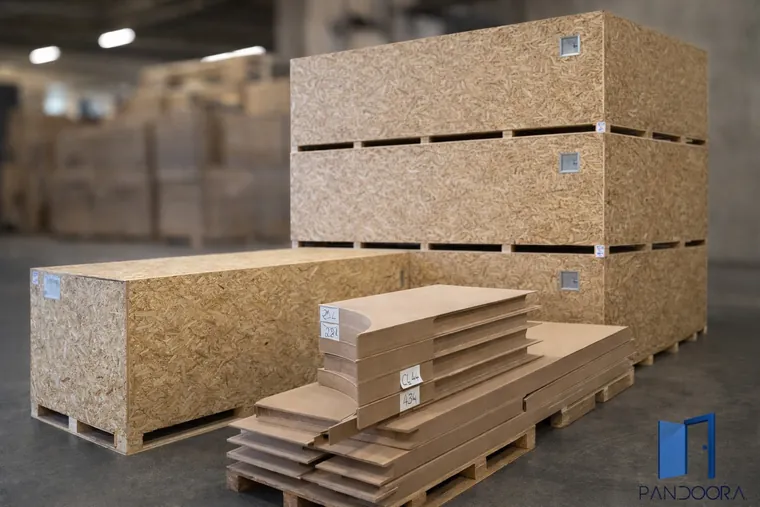
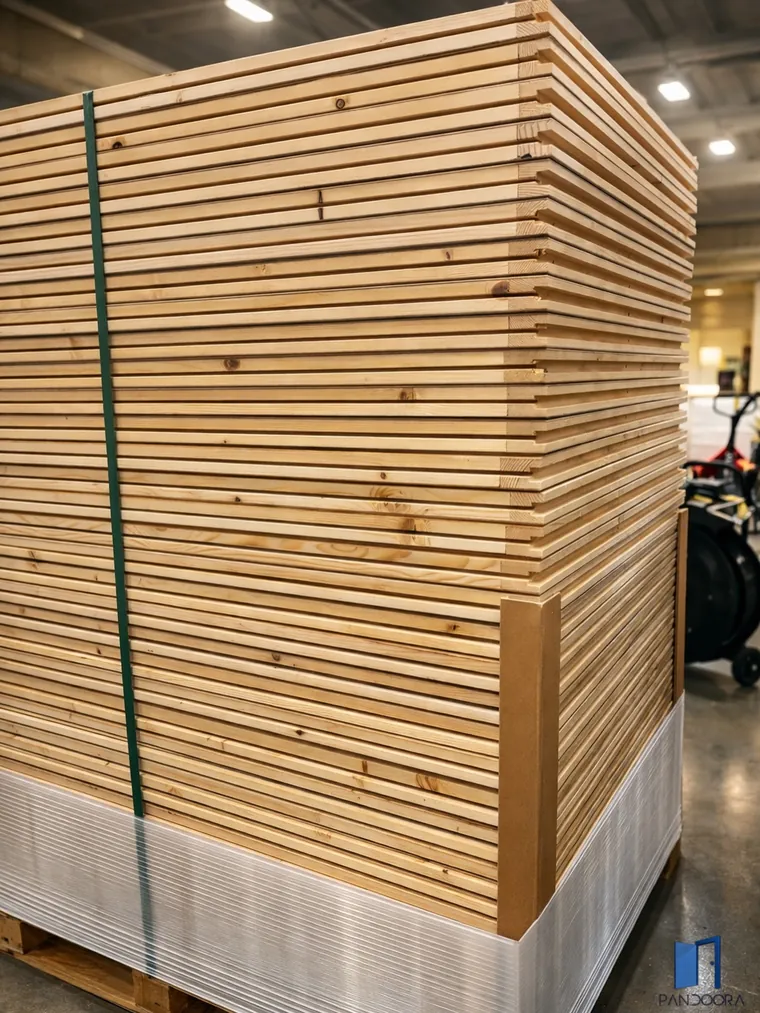
Solid-wood packaging for the US must be ISPM 15 treated and stamped, while engineered boards such as OSB and plywood are exempt. Tell us the destination and we pack to the rule.
Yes, through your forwarder or ours: to the advance warehouse, the show site within the move-in window, or your exhibit house.
Tell us the show, the move-in date and your forwarder (if you have one). We quote production, packing and the Incoterm that suits you.